
Some of the most common turns of phrase you’ve heard in life are taboo deformations, so what exactly are they? I’m so glad you asked! Taboo deformations are excellent stand-ins for things you don’t actually want to say — a minced oath, like “fudge!” for . . . well, you know — or things your culture is scared of saying — such as the word bear — and are definitely not taboo to say. These deformations are useful not just because they let us swear without swearing and talk about the unspeakable, but because they broaden our languages and provide creative fuel for storytellers. And as storytellers, we want all the tools in our language kits so we can tell the best stories.
Category Archives: Editing Thoughts
What the Canada Council for the Arts can do for you as an author

Being an author is hard, and it’s harder for first-time authors or people who need to work a separate job to support their writing habit. Money doesn’t come easy to new authors! But there are organizations that can help you survive the artistic lifestyle. The Canada Council for the Arts provides millions of dollars in funding each year to artists across the country, even to authors. While it’s more difficult for a fiction writer to get a grant than a nonfiction author, it’s worth understanding what support you could be eligible for from our government.
What to do with (unpublished) family manuscripts
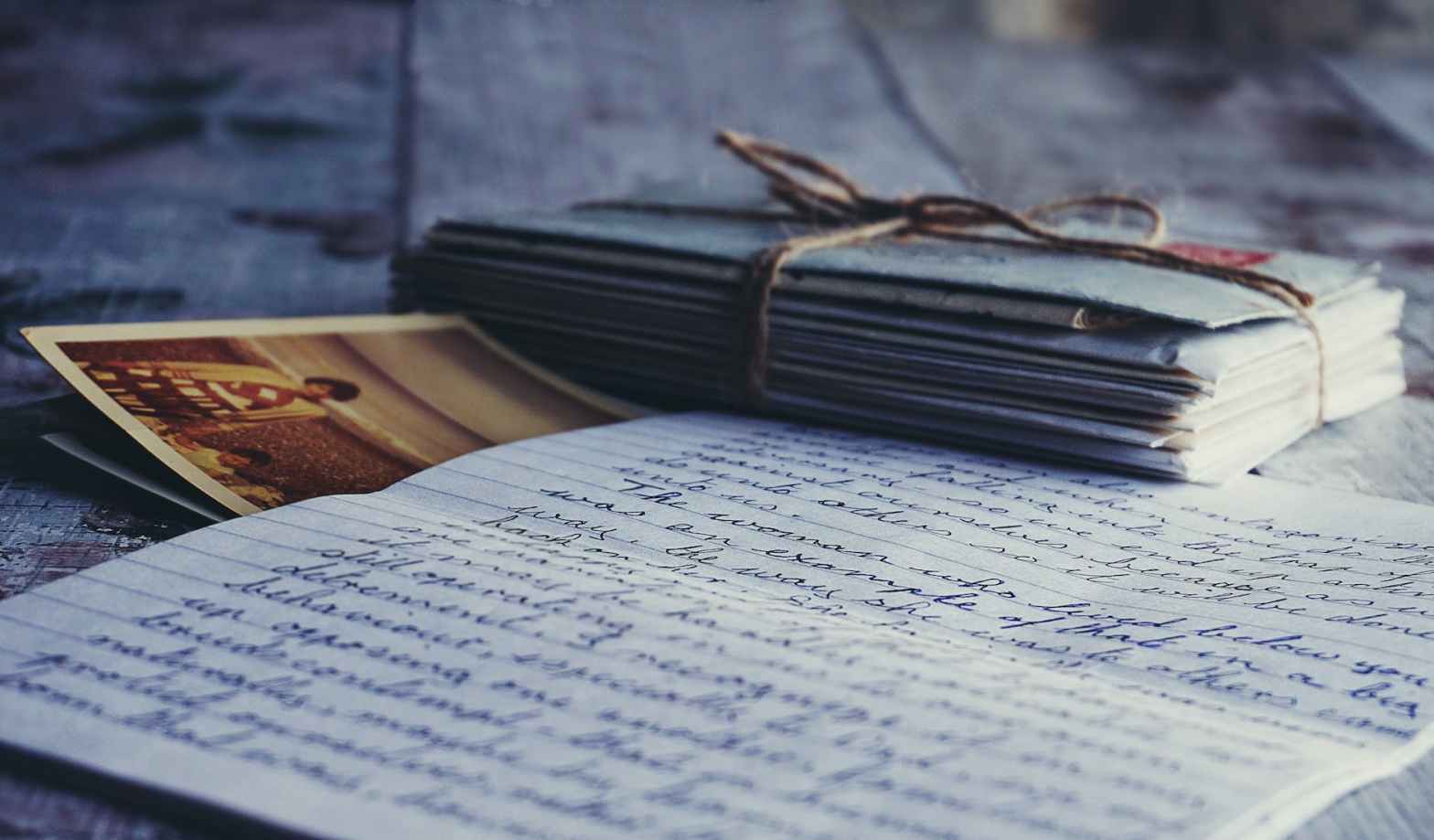
Every now and again I get inquiries from family members dealing with a loved one’s possessions who have found a manuscript. Typically they want to know what to do with this compilation of work—and if it’s any good. Sometimes the family is really enthusiastic about the project. Sometimes they haven’t even read it yet. And that’s fair.
Let’s talk trash: dealing with garbage in fiction

Whenever you’re diving into world creation, it’s important to keep in mind what kind of trash you’re also likely diving into. While you can easily see today’s trash, particularly what’s in your own area, it can be hard to imagine new landscapes of garbage. So that’s what we’re going to overview today: How to forecast your trash, where to find information about the trash of the past, and why it’s so important to get it right.
What is a sensitivity reader and do I need one?

While I’m not likely going to get you excited about more editing, I hope to give you a better idea of what to expect from a sensitivity read, how to find the right readers, and why you should think about it like you do your editing: a sensitivity read gives you the opportunity to achieve additional accuracy. If you want a triple-A approach, that’s the one.
Can I prevent libel in my writing?

At some point in your writing career, you will ask yourself the question, “Should I say that?” Whether it’s how you’re characterizing a person or the image you’re trying to strike for a company, you’ll wonder if it’s a good idea to publish the potentially offensive material. After all, you are responsible for what you publish. If you’re putting out something unflattering, you open yourself up for libel. But not everything we write needs to be flattering, does it? Sometimes you want to showcase the negatives! Sometimes you want to showcase the negatives! So what can you do to prevent libel in your writing?
Why do I see so many mistakes in published works?

Ah, yes. Your favourite newspaper has a typo in its headline or you’ve found desert when dessert was meant. It happens! And, obviously, it happens to established authors and at established publishing houses. But… how?
The top 10 things writers using CMOS should know

Every writer worth their salt works on their craft. Whether you’re reading competitors or doing grammar exercises, that writer brain of yours is learning. There’s a lot to learn, though, especially when you’re trying to match a specific style guide in your writing. Cheat sheet would be too generous of a name, but this article outlines the top 10 things you should know when using the Chicago Manual of Style.
What is a title information sheet and when would I need one?

In publishing, when your book gets presented to the editorial team as a real candidate for selling, your story will be reduced to a single page of to-the-point information known as the title information sheet. This piece of paper is the marketing pitch for your book, and contains important printing details the publisher will need to know for pricing reasons (among other things). So what goes into a title information sheet?
What style guide should I use?

Style guides are used by publishing companies to help them define the rules of language they’ll follow for their publications. While authors may not need intimate knowledge of one, understanding the purpose of each and maybe even learning a couple of rules to improve consistency in your writing is a great idea. Figuring out what style guide to use is pretty simple, and we’ll overview what factors you should consider in this article.
 Right Your Writing