
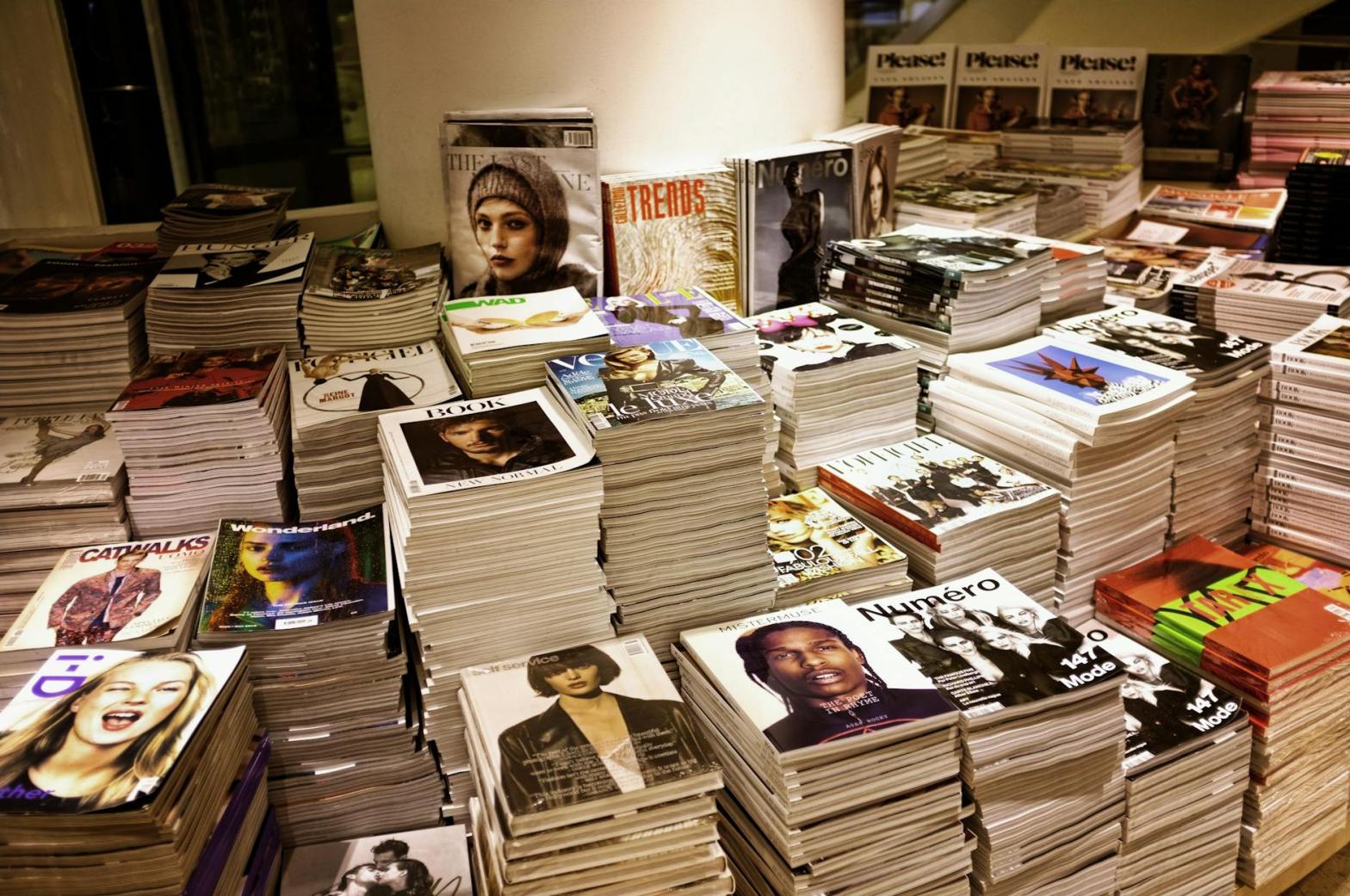
Want to write for a magazine? This page is devoted to the magazines of British Columbia (BC). I’ve compiled as many legitimate ‘zines as I could, organized alphabetically within genres, to give you a one-stop shop for your outreach. If I’m missing any, please don’t hesitate to let me know!
Tag Archives: Writing Tips
What is a taboo deformation?

Some of the most common turns of phrase you’ve heard in life are taboo deformations, so what exactly are they? I’m so glad you asked! Taboo deformations are excellent stand-ins for things you don’t actually want to say — a minced oath, like “fudge!” for . . . well, you know — or things your culture is scared of saying — such as the word bear — and are definitely not taboo to say. These deformations are useful not just because they let us swear without swearing and talk about the unspeakable, but because they broaden our languages and provide creative fuel for storytellers. And as storytellers, we want all the tools in our language kits so we can tell the best stories.
Writers festivals in Alberta

Alberta has a rich cultural landscape and an expanding arts community. If you’re a writer looking to meet others in your industry, let me share the most established writers festivals in the province. You may meet your next agent!
How to submit to Harlequin

So you want to be a romance writer, eh? I got you. Did you know you can submit to Harlequin, Canada, for free? Yep. Unsolicited, free submissions. There are obviously some strict rules around submissions, but Harlequin is quite friendly to new talent. I’ll take you through their submission process, and also give you some tips on writing a story for Harlequin.
Writers festivals in British Columbia

In a bit of a topical diversion from my usual posts, today I’m going to talk about all the writers festivals here in British Columbia (BC). One of the best ways to hone your craft is to be inspired by other writers and get constructive feedback on your own writing. Even if you’re already involved in a writing group at, say, your local library, you should consider some professional development with writers, editors, and various publishing industry professionals. Not only are these events good for your craft, they’re also good for your networking and marketing ideas.
How to use AI to help your writing

We’re in the age of AI, it’s true. Artificial intelligence is here to stay, so might as well make the best use of a new and (honestly) helpful tool. While there are important privacy and copyright considerations at this early stage, there are many ways to take full advantage of this software. We’ll get into them here in this article, and suggest a few ways to protect yourself when working with this new tool.
Why (fiction) writers should play D&D

By now, no non-traditional suggestions I make should surprise you. But on the off chance this one has, you really should hear me out when I tell you that writers should play Dungeons and Dragons, especially if writing fiction. There is a ton of overlap between how a D&D world is structured and world-building a story. IFYKY (if you know, you know), and if you don’t, that’s why you’re here! We’re going to explore the overlaps and suggest ways in which you can justif—I mean, utilize playing D&D with your friends to help you overcome writer’s block or work through a tricky character transition you’re not sure will hit.
Why you should set yourself writing homework

To write well, you actually need to, well, write! Writing is a skill that needs to be honed. What are you currently doing to sharpen that skill? If you want to take your writing to the next level, it’s time to take writing exercises seriously. It’s time to assign yourself some homework.
What the Canada Council for the Arts can do for you as an author

Being an author is hard, and it’s harder for first-time authors or people who need to work a separate job to support their writing habit. Money doesn’t come easy to new authors! But there are organizations that can help you survive the artistic lifestyle. The Canada Council for the Arts provides millions of dollars in funding each year to artists across the country, even to authors. While it’s more difficult for a fiction writer to get a grant than a nonfiction author, it’s worth understanding what support you could be eligible for from our government.
How to write dialogue that doesn’t drag
Writing convincing dialogue is one of the trickiest things to do as a writer. This is known. Figuring out how to write dialogue that conveys your meaning and propels the action of your work is hard, but not impossible. From using the right dialogue tags to accurately depicting emotions and dialects, this article will helpContinue reading “How to write dialogue that doesn’t drag”
 Right Your Writing