

Want to write for a magazine? This page is devoted to the magazines of British Columbia (BC). I’ve compiled as many legitimate ‘zines as I could, organized alphabetically within genres, to give you a one-stop shop for your outreach. If I’m missing any, please don’t hesitate to let me know!
Tag Archives: writing process
How to use AI to help your writing

We’re in the age of AI, it’s true. Artificial intelligence is here to stay, so might as well make the best use of a new and (honestly) helpful tool. While there are important privacy and copyright considerations at this early stage, there are many ways to take full advantage of this software. We’ll get into them here in this article, and suggest a few ways to protect yourself when working with this new tool.
Why (fiction) writers should play D&D

By now, no non-traditional suggestions I make should surprise you. But on the off chance this one has, you really should hear me out when I tell you that writers should play Dungeons and Dragons, especially if writing fiction. There is a ton of overlap between how a D&D world is structured and world-building a story. IFYKY (if you know, you know), and if you don’t, that’s why you’re here! We’re going to explore the overlaps and suggest ways in which you can justif—I mean, utilize playing D&D with your friends to help you overcome writer’s block or work through a tricky character transition you’re not sure will hit.
Why you should set yourself writing homework

To write well, you actually need to, well, write! Writing is a skill that needs to be honed. What are you currently doing to sharpen that skill? If you want to take your writing to the next level, it’s time to take writing exercises seriously. It’s time to assign yourself some homework.
What is a manuscript assessment?

You’ve written a book you’re nervously in love with. Now what? Contrary to every neophyte urge in your authorial body, you are not to immediately send your work out to every publishing house you know. Sorry! Instead, you’re in for an age of reviewing. Yaaaaay . . .
So, what is a manuscript assessment and how is it different from a beta read? Let’s get into it.
Mood (writing) board

Mood: I don’t want to write. I don’t feel like it. The scene I have to write doesn’t match my mood at all and therefore I can’t write anything.
Sound familiar? Good. You’re having a very normal writer experience. The thing is, your mood—as a professional writer, that is—doesn’t matter. Like, at all. If you’re wanting to make a career out of your writing, you’re going to have to get comfortable mighty quickly with writing through discomfort or even your own discordance. But you can do it smartly, in a way that feels less like pulling teeth and more like productive work. If that doesn’t sound appealing, I don’t know what would!
Let’s talk trash: dealing with garbage in fiction

Whenever you’re diving into world creation, it’s important to keep in mind what kind of trash you’re also likely diving into. While you can easily see today’s trash, particularly what’s in your own area, it can be hard to imagine new landscapes of garbage. So that’s what we’re going to overview today: How to forecast your trash, where to find information about the trash of the past, and why it’s so important to get it right.
Why do I see so many mistakes in published works?

Ah, yes. Your favourite newspaper has a typo in its headline or you’ve found desert when dessert was meant. It happens! And, obviously, it happens to established authors and at established publishing houses. But… how?
7 ways to crush writer’s block
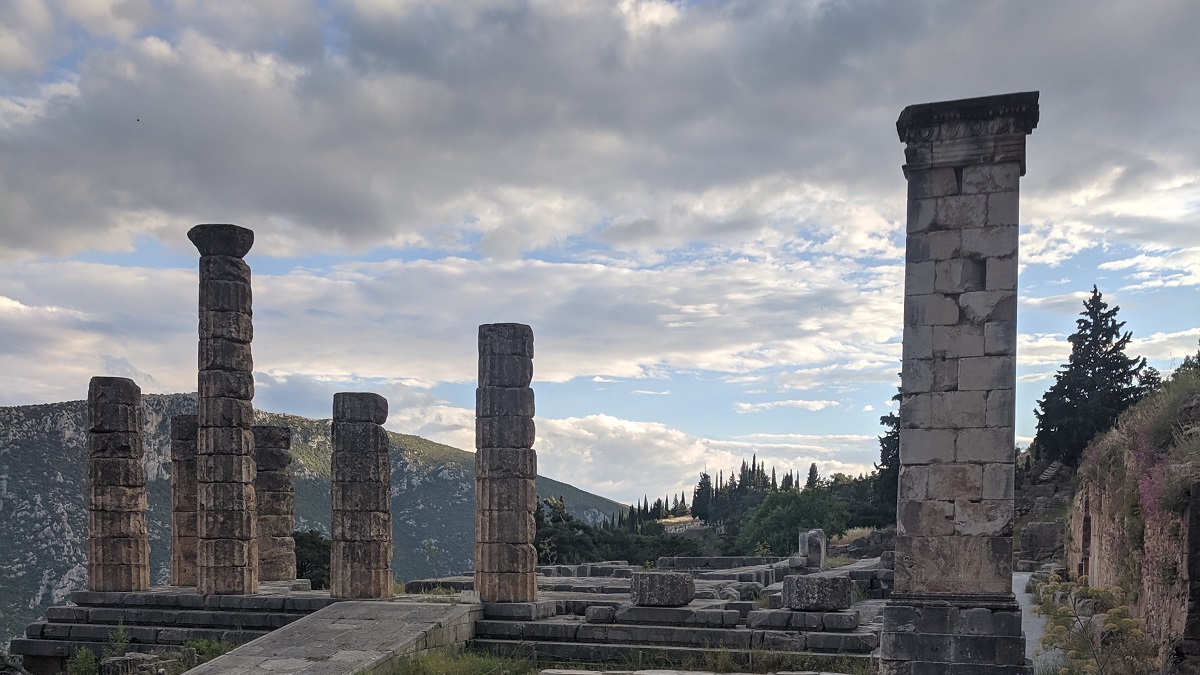
Oh, writer’s block, how we loathe thee. When writing’s got you down, here are some ways to break through to the other side.
How to self-edit (properly) in 5 steps
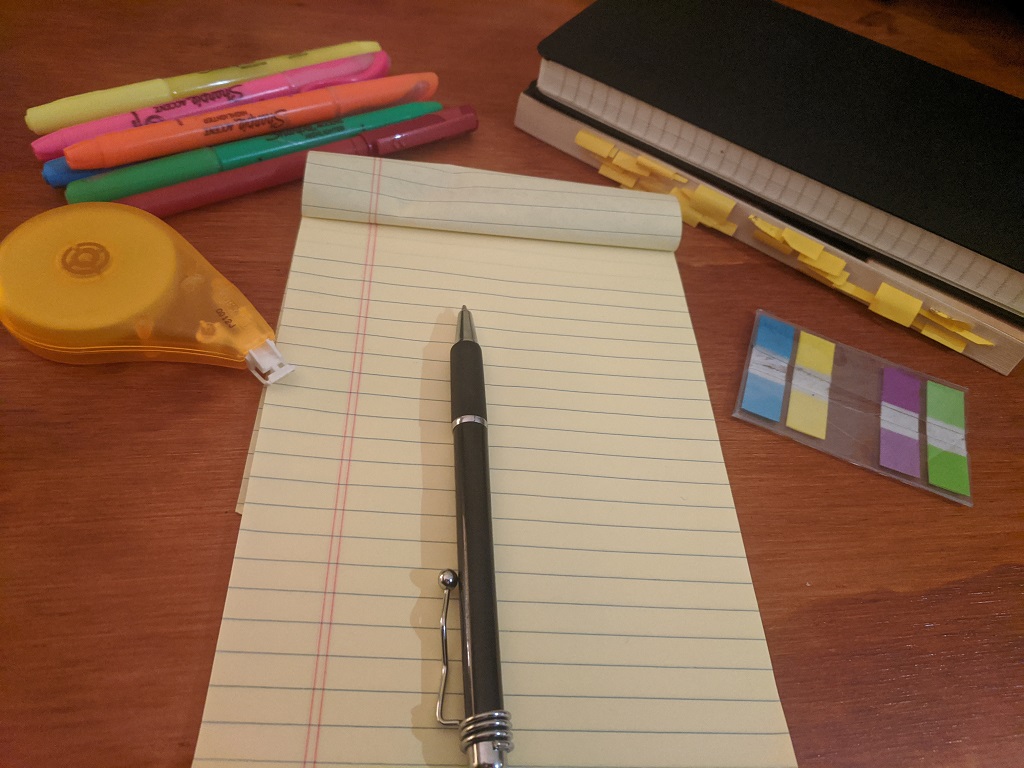
Oh, what? An editor saying you can self-edit? Don’t get too excited. You can do it, and you should do it, but you should not be the last person to do it. That said, there are some pretty standard steps involved when reviewing your work before you send it out into the world (or even to an editor!).
 Right Your Writing